
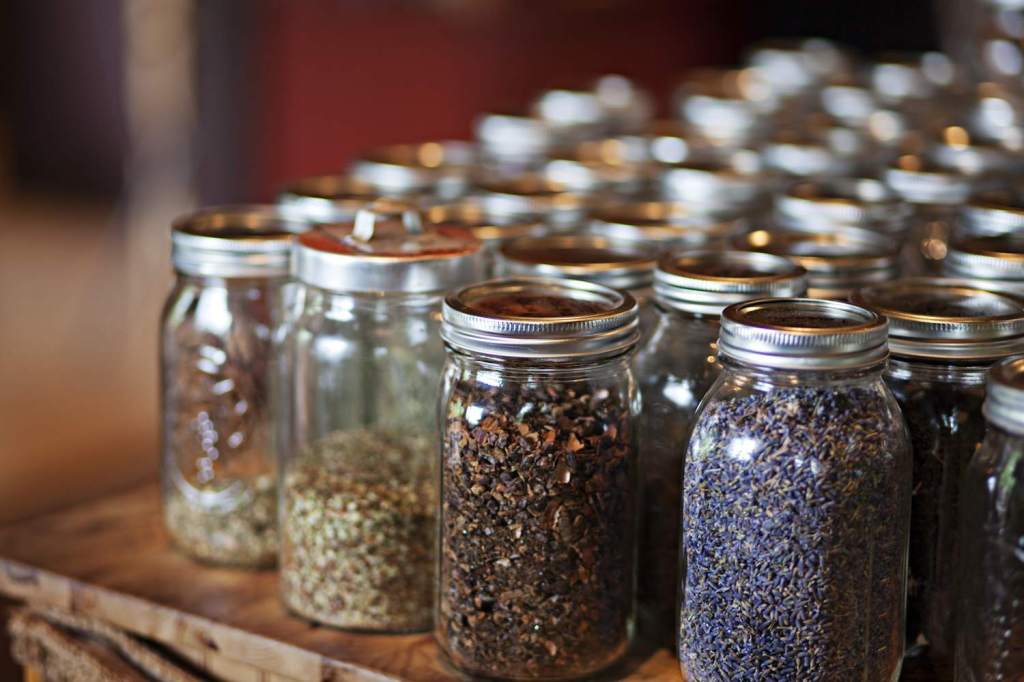
It’s a funny thing. You start out on your herbal path just dabbling with specific plants. Then you get to the non-regional plants. Then you move into the hard to get nearly forgotten plants and their remedies. Or at least that’s what I did.
There’s this pull to learn more and to understand what folks have been using for centuries and in some cases millennia. However, there’s always a comfortable chair by a fire waiting for you when you go back to working with plants and herbs that you have been acquainted with all your life. Things that you used in the kitchen, juices your mom made you when you had an upset stomach, those kinds of warm and heartening things. That was the case as I built this immunity tincture.
When you craft something with heart felt intention and plants that are like family, I believe that energy lives on in the tincture and the natural medicine it provides. Especially, when transferred from hand to hand. As I am teaching a few select friends this recipe and method in the next few days, I thought I would also share to my little audience here. You probably have your own immunity tinctures but it could be fun to swap recipes. If you think so, drop a comment and let’s connect!
I have provided this overview of the medicinal uses and compounds associated with each of the plants I partner with for this immunity tincture. perhaps you have worked with them yourself and already have a relationship of trust and knowing. I’d love to hear your stories!
Rosemary
- Medicinal Uses: Rosemary is known for its antioxidant and anti-inflammatory properties. It’s often used to improve memory and cognitive function, alleviate muscle pain, and support digestion.
- Key Compounds: Rosmarinic acid, carnosic acid, and essential oils like cineole contribute to its medicinal properties.
Dandelion
- Medicinal Uses: Dandelion has been used traditionally to support liver health, aid digestion, and act as a diuretic. It’s rich in vitamins and antioxidants.
- Key Compounds: Taraxasterol, flavonoids, and sesquiterpene lactones are among the compounds believed to offer health benefits.
Nettle
- Medicinal Uses: Nettle is known for its anti-inflammatory properties and is used to alleviate allergies, arthritis, and urinary issues. It’s also a source of vitamins and minerals.
- Key Compounds: Histamine, serotonin, and various flavonoids contribute to its medicinal effects.
Elderberry
- Medicinal Uses: Elderberry is popular for its immune-boosting properties and is used to reduce cold and flu symptoms. It’s rich in antioxidants and vitamins.
- Key Compounds: Anthocyanins, flavonoids, and vitamins like vitamin C are prominent in elderberries.
Echinacea
- Medicinal Uses: Echinacea is used to support the immune system and shorten the duration of colds. It’s believed to stimulate the body’s defense mechanisms.
- Key Compounds: Alkamides, caffeic acid derivatives, and polysaccharides are thought to contribute to its immune-boosting effects.
Turkey Tail
- Medicinal Uses: Turkey Tail mushrooms are rich in antioxidants and have immune-boosting properties. They are used in complementary medicine to support immune function.
- Key Compounds: Polysaccharopeptides (PSP) and polysaccharide-K (PSK) are among the active compounds associated with immune support.
Cinnamon
- Medicinal Uses: Cinnamon is known for its anti-inflammatory and antioxidant properties. It’s used to regulate blood sugar levels, aid digestion, and fight infections.
- Key Compounds: Cinnamaldehyde, cinnamic acid, and various polyphenols contribute to its medicinal effects.
Honey
- Medicinal Uses: Honey has antibacterial and antifungal properties and is used to soothe sore throats, heal wounds, and provide relief from coughs.
- Key Compounds: Hydrogen peroxide, phenolic compounds, and enzymes like glucose oxidase contribute to its medicinal properties.
*You can use vinegar for an oxymel or you can use alcohol for a tincture. Up to you.
*The amount of herbs used will vary on your extraction method and the finished volume desired.
These herbs contain a variety of bioactive compounds that contribute to their therapeutic effects. Disclaimer: 🙂 When using them for medicinal purposes, it’s essential to consult with a healthcare professional to ensure safe and appropriate usage, especially in cases of preexisting conditions or medications.
I hope that bit of sharing has brought you some inspiration with a bit of education to fuel your efforts. Tis the season for cold and flu, so stay well my friend. You have the power!
If you don’t have garden grown or forest foraged put up for the season, you can purchase organics from small business, climate pledge friendly sellers on Amazon. You may be lucky enough to have a local herb shop. Our area does have them, but I realize some folks may not be fortunate in that way. In which case I have provided a list for your ease of use.
https://amzn.to/3uMdirT – Rosemary
https://amzn.to/3NkmhqH – Dandelion root, unroasted
https://amzn.to/46RMDrd – Nettle
https://amzn.to/47Qn0Iw – Elderberry
https://amzn.to/4afmaqf – Echinacea
https://amzn.to/3ReNsof – Turkey Tail
https://amzn.to/3Rhcens – Cinnamon sticks – you probably already have some, but Ceylon is best if you can get it.
https://amzn.to/4863zuY – Honey (Best if raw and organic) Pregnant mothers and children should research their specific situation before using.
Happy Brewing!!! 🙂 ❤
 Ministry of Making
2 responses to “A Powerful Immunity Tincture!”
No recipe at all?
LikeLike
Ohh I’d be happy to do that! 🙂 I’ll do that in my next post! I never know if folks have their own that they are working with or would like measurements, etc. I’m leery of taking too much of people’s time! 🙂
LikeLike