
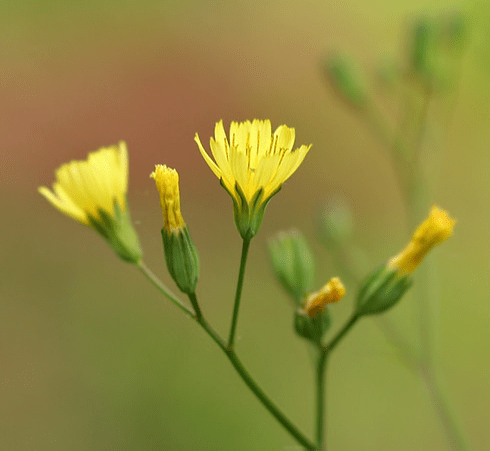
Nipplewort, also known as Lapsana communis, is an edible plant that is commonly found in Europe and Asia. I find this in my lawn. Abundantly. I try not to have so much of it, but it is literally like trying to shut out the sun. This is an action that has me wondering if I need Nipplewort in my life, perhaps it’s sending me a message. I’m sure I could use all the anti-inflammatory help I can get, that seems to be the U.S. way of existing. One could even argue that if it has the anti-inflammatory values, then it may be popping up in Spring just in time to help tamp back those seasonal allergy symptoms that whip up so willingly. While it has been traditionally used for medicinal purposes, more research is needed to fully understand its potential health benefits. Generally, “they” say that about everything, unless it’s been documented for something like 400 years or more by someone that “they” trust (aka: are funded by, get money from, etc).
Herbalists, on the other hand, have traditionally used the leaves, stems, and flowers of nipplewort for medicinal purposes. This means that you don’t have to wait for the flowers which will come forth in a bit. The plant can be consumed fresh or dried and made into tea or tinctures. Topical preparations of nipplewort, such as poultices or ointments, have also been used. In some cultures, nipplewort has been used as a food source, and the leaves and stems can be cooked and consumed like spinach or added to salads. Get to know and then EAT your weeds people! They are delicious. Well, some are just bitter (looking at you Wall Lettuce), but most of them have a lovely green flavor like fresh slightly less pungent baby Spinach with a dash of the outdoors. 🙂
Let’s jump to the science stuff. Here are some of the potential medicinal and nutritive values of nipplewort in list form:
- Nutritive Value: Nipplewort is rich in vitamins and minerals, including vitamin C, calcium, iron, and potassium. It is also a good source of antioxidants.
- Digestive Aid: Nipplewort has been traditionally used to aid digestion and relieve constipation.
- Anti-inflammatory: Nipplewort contains compounds with anti-inflammatory properties that may help reduce inflammation in the body.
- Immune Booster: Some studies suggest that nipplewort may help boost the immune system, potentially due to its antioxidant content.
- Diuretic: Nipplewort has diuretic properties and may help increase urine output, which can be beneficial for those with edema or high blood pressure.
- Skin Health: Topical application of nipplewort has been used traditionally to help heal wounds, soothe skin irritations, and treat acne.
As I’ve said before and will say all the time, it is important to note that nipplewort may interact with certain medications or have potential side effects, and it is recommended to consult with a healthcare professional before using nipplewort for medicinal purposes. You hopefully all have a naturopath on dial for such important and worthwhile conversations. The internet is super helpful, but double check the info if you are an explorer type.
That said, for the folks that check out and clear any medicine interactions and indications here is a general recipe for making a tincture from nipplewort:
Ingredients:
- Fresh nipplewort leaves, stems, and flowers
- High-proof alcohol, such as vodka or Everclear
- Jar with leak proof lid
- Dark 2 oz. dropper jars for bottling and storing, later
Instructions:
- Wash the nipplewort thoroughly and chop it into small pieces.
- Fill a glass jar with the chopped nipplewort, leaving about an inch of space at the top. Minimum 2/3’s of the jar/bottle filled with plant parts. Do not pack the material down.
- Pour the alcohol over the nipplewort until it covers the plant material by at least an inch.
- Close the jar tightly and shake it well.
- Store the jar in a cool, dark place for at least 4-6 weeks, shaking it daily.
- After 4-6 weeks, strain the tincture through a cheesecloth or coffee filter, squeezing the plant material to extract as much liquid as possible.
- Transfer the tincture to a dark glass bottle and label it with the name of the plant and the date it was made.
- The tincture can be stored in a cool, dark place for up to a year.
- You can also dry the Nipplewort first if desired. This step can help prevent anything from “sprouting” in your tincture should you need to leave it in a slightly warmer or less dark place.
I will note this, I can’t find anyone making this tincture. Probably because there are other plants that are more effective at providing what this plant can provide. Possibly, because it’s one of those plants whose uses are nearly forgotten. Who can say for sure. My recommendation is, get to know the plant. Taste it. Maybe collect a little more for a salad (from somewhere in the yard that the dog doesn’t do their business). Explore, appreciate and feel it. Maybe Nipplewort will send you a message. If so, I’d love to hear about it if you are comfortable sharing. Until next time…
https://amzn.to/3oi7DXp – dropper bottles, when checking today 4/17, the price is way down! Yay!!!
 Ministry of Making