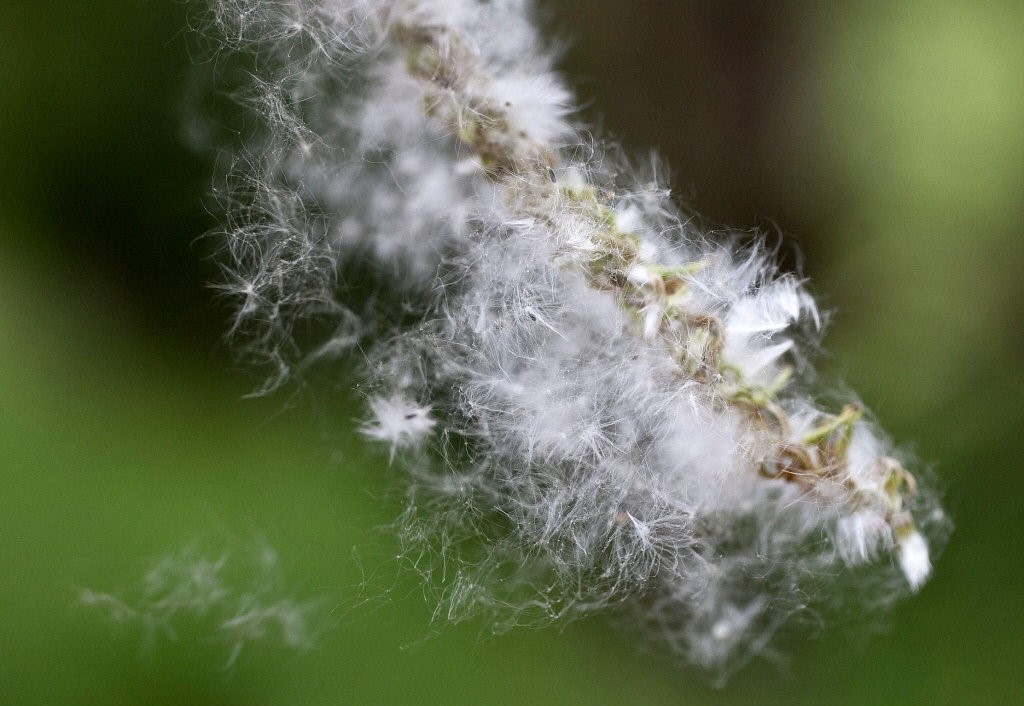
Right about now as we start to see the yellow fine powdery death dust on our vehicles and notice that our noses are oddly stuffy, or runny, or both, we start to remember. Ahhh yes, seasonal allergies due to environmental particulates are upon us. They snuck up and smacked us on the back like an irritating old friend. In preparation for this, some of us have a regimen that we swear by. For a lot of folks that has come through a few if not many seasons of trial and error. The committed can come out victorious though. The question at hand is this: what are the herbs that people use the most to help ease their seasonal allergies? Look no further. No wait, always continue to learn and look. Disregard what I said initially. 🙂
Some of the herbs that people commonly use to help ease their seasonal allergies include:
- Butterbur: It has been shown in some studies to be effective in reducing the symptoms of allergic rhinitis. However, it can be toxic to the liver, so I say that’s a no go.
- Stinging Nettle: It may help to reduce inflammation and improve allergy symptoms.
- Quercetin: It is a flavonoid found in many fruits and vegetables that has anti-inflammatory and antioxidant properties.
- Turmeric: It is a spice that contains curcumin, which has been shown to have anti-inflammatory and antioxidant properties.
- Licorice root: It may help to relieve congestion and reduce inflammation.
It’s important to note that while some herbs may help alleviate allergy symptoms, it’s always best to speak with a healthcare provider before trying any new remedies. Some herbs may interact with medications or cause side effects in certain individuals. Additionally, allergies can be a serious medical condition, so it’s important to have a proper diagnosis and treatment plan. You certainly wouldn’t want to go around saying you had allergies and it wasn’t that, or not have an idea of what you are actually allergic to. That education and knowledge helps tremendously. Up in the PNW we have the trusty Northwest Allergy Center. Known for helping people all over the region with shots and such level of allergy control. Work with a professional, get a stick test, know the stuff that drives your system into overdrive (in a bad way).
Here in the PNW and all over the states really you can find a plant called Cleavers. In abundance and as far as I know (yet) no endangered butterflies or moths use it for their reproductive cycle. Unlike Nettle. Some call it bedstraw, some call it stick right, it has many colloquial names of which it definitely deserves. It however is another allergy buddy powerhouse. What is it about Cleavers that helps soothe allergies?
Cleavers (Galium aparine) is an herb that has been used traditionally in many cultures for its medicinal properties. One of the reasons why it is thought to help soothe allergies is because it contains compounds that have anti-inflammatory and antioxidant properties.
Allergies are caused by an overactive immune response to substances in the environment, such as pollen, dust, or animal dander. This immune response triggers inflammation in the body, which can lead to symptoms such as sneezing, runny nose, and itchy eyes.
Cleavers may help to soothe allergies by reducing inflammation in the body. The herb contains compounds called iridoid glycosides, which have been shown to have anti-inflammatory properties. Additionally, Cleavers contains flavonoids, which are powerful antioxidants that can help to protect the body from damage caused by free radicals.
While there is some anecdotal evidence to suggest that Cleavers may be effective in alleviating allergy symptoms, more research is needed to determine its effectiveness and safety according to today’s medical society. As with any herbal remedy, it is important to speak with a healthcare provider before using Cleavers, especially if you are taking any medications or have a medical condition.
Then there’s an herb that is easy to grow in the garden up here in our zone 8 weather. Hyssop. Also, Anise Hyssop. What is it about hyssop that helps soothe allergies?
Hyssop (Hyssopus officinalis) is an herb that has been traditionally used for its medicinal properties. It is thought to have anti-inflammatory, antimicrobial, and antioxidant properties, which may help to soothe allergies.
One of the ways that hyssop may help to soothe allergies is by reducing inflammation in the body. Hyssop contains compounds such as rosmarinic acid and flavonoids, which have been shown to have anti-inflammatory effects. These compounds may help to reduce inflammation in the body and alleviate allergy symptoms. Another win!! Woohooo!
In addition to its anti-inflammatory properties, Hyssop as compared to Cleavers also has antimicrobial properties, which may help to protect against infections that can exacerbate allergy symptoms. It is also a natural source of antioxidants, which can help to protect the body against damage caused by free radicals. We all want as few free radicals as possible and we certainly want to minimize their damage!
Now let’s talk about what foods might contain some of the listed items above. Mostly we’re talking about Quercetin. Quercetin is a flavonoid that is found in many fruits and vegetables. So, arm yourself with this; the fruits and vegetables that have the highest levels of naturally occurring Quercetin are:
- Onions: Red onions are particularly high in quercetin, but all types of onions contain this flavonoid.
- Apples: The skin of apples is a particularly rich source of quercetin.
- Berries: Blueberries, blackberries, and cranberries are all good sources.
- Citrus fruits: Oranges, grapefruits, and lemons are all high in quercetin.
- Leafy greens: Kale, spinach, and arugula are all good sources.
- Tomatoes: Both fresh and cooked tomatoes are good sources.
- Broccoli: This cruciferous vegetable is a good source.
It’s worth noting that the amount of quercetin in fruits and vegetables can vary depending on factors such as growing conditions, storage, and preparation methods. However, eating a diet that is rich in a variety of fruits and vegetables can help to ensure that you are getting enough quercetin and other beneficial nutrients.
But…shortcuts, right? Sure. Here are some ways to get Quercetin, Nettle and Cleavers into your diet without eating them:
https://amzn.to/3MncOzx – Quercatin WITH Nettle AND Vitamin C. Very nice!
https://amzn.to/3Zpgqnm – Cleavers Tincture
Don’t even get me started on the Tea. You can make tea with a great deal of the above herbs and fruits. I do believe there is only so much tea a person can drink in a day so sometimes it’s nice to know there are alternatives. 🙂 Best of luck on your Seasonal Allergy Fighting Adventure. If you come up with something awesome that works for you, please leave a comment, I’d love to hear about it.
Also, if you are in the area, Doris and I will be teaching a class that will go over the above and more in April. Below is a link to that class for more details!
Listed on zenheartcenter.com website.
FB https://www.facebook.com/events/717669536708388
Wellness Living reg link: https://www.wellnessliving.com/rs/catalog-view.html?k_business=402881&id_sale=3&k_id=524011
 Ministry of Making