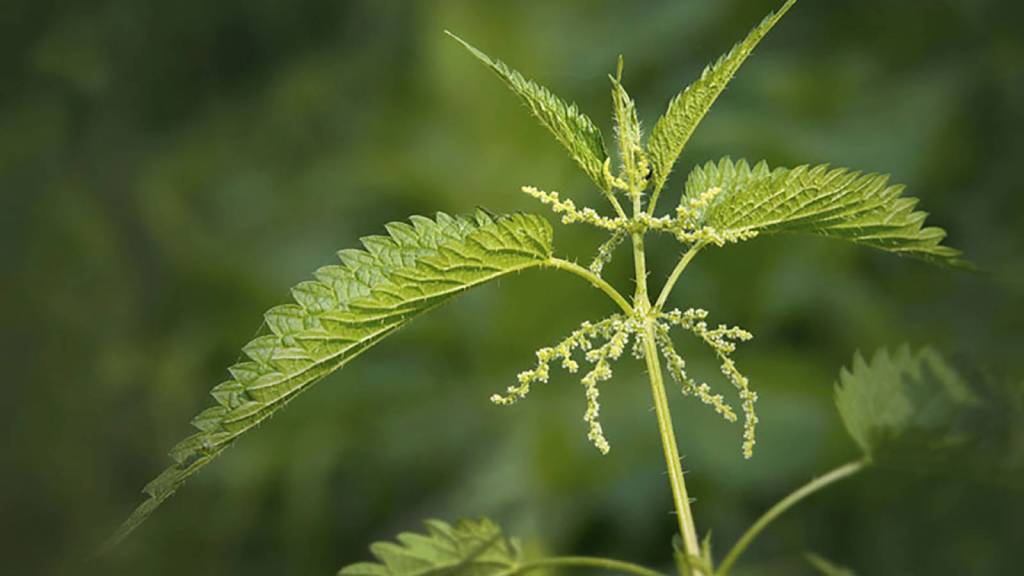
This is for my friend Dee. She LOVES Nettle. To be crystal clear we are talking about Urtica dioica. She rubs them across her face, she eats them, she drinks them, she basically IS them. So, in recognition of her commitment to this tenacious plant that some consider a weed, I create my first post for her!
Nettles, also known as stinging nettles, are a common plant found in many regions around the world. Despite their reputation for causing painful stings, nettles have been used for centuries as a natural remedy for a wide range of health conditions. In this blog post, we’ll explore some of the health benefits of nettles and how you can incorporate them into your diet.
- Rich in Nutrients
Nettles are packed with nutrients, including vitamins A, C, and K, as well as minerals such as calcium, iron, and magnesium. These nutrients are essential for maintaining healthy bones, skin, and immune function.
- May Reduce Inflammation
Nettles have been shown to have anti-inflammatory properties, which may help reduce pain and swelling associated with conditions such as arthritis and allergies. Nettles contain compounds called flavonoids and carotenoids, which have been shown to have anti-inflammatory effects in studies.
- May Improve Prostate Health
Nettles may be beneficial for men with prostate issues. Studies have found that nettles can help reduce the size of an enlarged prostate, a condition known as benign prostatic hyperplasia (BPH). Nettles may also help improve urinary symptoms associated with BPH, such as frequent urination.
- May Lower Blood Pressure
Nettles may help lower blood pressure, making them a potentially useful natural remedy for hypertension. One study found that consuming nettle leaf extract lowered blood pressure in people with hypertension.
- May Aid in Digestion
Nettles may be helpful for digestive issues such as constipation and diarrhea. Nettles contain compounds that can help reduce inflammation in the digestive tract and improve nutrient absorption.
How to Incorporate Nettles into Your Diet
There are many ways to incorporate nettles into your diet. Here are a few ideas:
- Nettle Tea
Nettle tea is a popular way to consume nettles. You can purchase nettle tea bags at health food stores or online, or you can make your own by steeping dried nettle leaves in hot water for several minutes.
- Nettle Soup
Nettles can be used in soups, stews, and other savory dishes. To make nettle soup, sauté onions and garlic in olive oil, add chopped nettles and vegetable broth, and simmer until the nettles are tender. Blend the soup until smooth and season with salt and pepper.
- Nettle Pesto
Nettle pesto is a delicious and nutritious way to use nettles. To make nettle pesto, blend blanched nettles, garlic, Parmesan cheese, pine nuts, and olive oil in a food processor until smooth. Use the pesto as a sauce for pasta, spread on toast, or as a dip for vegetables.
In conclusion, nettles are a nutritious and versatile plant that can offer many health benefits. Whether you choose to drink nettle tea, make nettle soup, or try nettle pesto, adding nettles to your diet may help improve your overall health and well-being.
But Esther, how do I get those stingy, weedy, spicy plants into my kitchen?
Two ways seem to work.
- Some folks fold the leave in on itself from the top surface so that the bottom of the leaf is no longer exposed. That’s where the “needles” are. However, you have to avoid the stem as well so let’s use gloves if we don’t appreciate the increased circulation that a nettle sting provides.
- The other way is to take your basket with a WIDE opening top and cut and grab with scissors, tuck into the basket with your scissor appendage.
What then? When you get home, run a hot water soak in the kitchen or “processing” sink and simply dump the prickly princes right in. When the nettles have soaked for about five minutes, take a silicone spoon or possibly your best wooden witch spoon and stir them up in the sink. The hot water helps to break down the structure of the poky bits and the maceration helps with coverage. After that, drain the sink, rinse the leaves and then remove them from the sink and place them on a drying surface. From there, use at will! If you are going to dehydrate or dry them, be sure all the moisture is gone before closing them up. They love to mold.
What about the folks that don’t have access to clean non-chemically sprayed Nettles. My recommendation is, do not let that stop you. There are plenty of sources that will sell you ethically harvested, pesticide free dried Nettles.
One such is Frontier Co-op Organics; I have many of their products in my home apothecary. The PNW is great at growing things that require a moderate climate, but not so good at things that need a long growing season, as just one example. Full disclaimer: the below is an affiliate link. Cool.
I hope this little article helps you create a relationship with Stinging Nettles, they are seriously a power-house plant that demands respect and deserves it. Please drop any questions you might have my way; I’ll do my best to lend a hand!

 Ministry of Making
One response to “Nettle Me This!”
I looooove it!
Thank you Esther, you are amazing!
LikeLiked by 1 person